Text 2
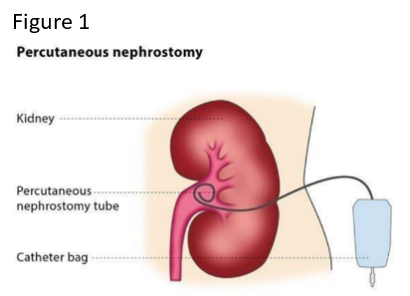
Nephrostomy tubes are vital in managing short- and long-term medical conditions, including ureteral obstructions due to benign and malignant tumors, impacted stones, infections, and ureteral strictures. These tubes are catheters placed directly through the flank into the kidney to drain urine (Figure 1). Their current designs of pigtail or Foley anchor, which aim to stabilize the tube within the kidney, makes them susceptible to dislodgement through sudden or steady tugging. This vulnerability leads to frequent premature extraction incidents, both accidental, as a result of everyday activities, or deliberate, particularly among patients with conditions such as dementia. Such removal can cause severe complications, including kidney damage. The strain on healthcare systems is substantial, with numerous emergency room visits and resource-intensive interventions required to address these incidents. Urgent and recurrent interventions and associated costs emphasize the unmet need to develop an innovative solution that ensures tube stability, reduces removal risks, and enhances patient safety while alleviating the burden on healthcare facilities.